

Writing for the trades
Blog
Practical, no-fluff writing for trade subcontractors — how to choose tools, run crews, and get paid for the work you actually did.
 Getting paid7 min read
Get paid faster in construction: a cash-flow playbook
Getting paid faster is not about chasing invoices harder. It is about controlling the six levers that decide when the money actually lands.
Read the guide → Getting paid9 min read
AIA G702 and G703: a subcontractor pay-app guide
The G702 is the cover, the G703 is the math. Fill them out right and your draw gets certified. Get the retainage column wrong and you leave money on the table.
Read the guide →Field operations8 min readTool and equipment tracking for subcontractors
Nobody knows who has the laser. A practical system for tracking tools, vehicles and equipment across sites — plus Asset Management, new in SubTrade.
Read the guide → Getting paid8 min read
Construction lien basics for Canadian subcontractors
A lien is the strongest tool a sub has for getting paid, and the easiest to lose by missing a date. The basics, province by province.
Read the guide →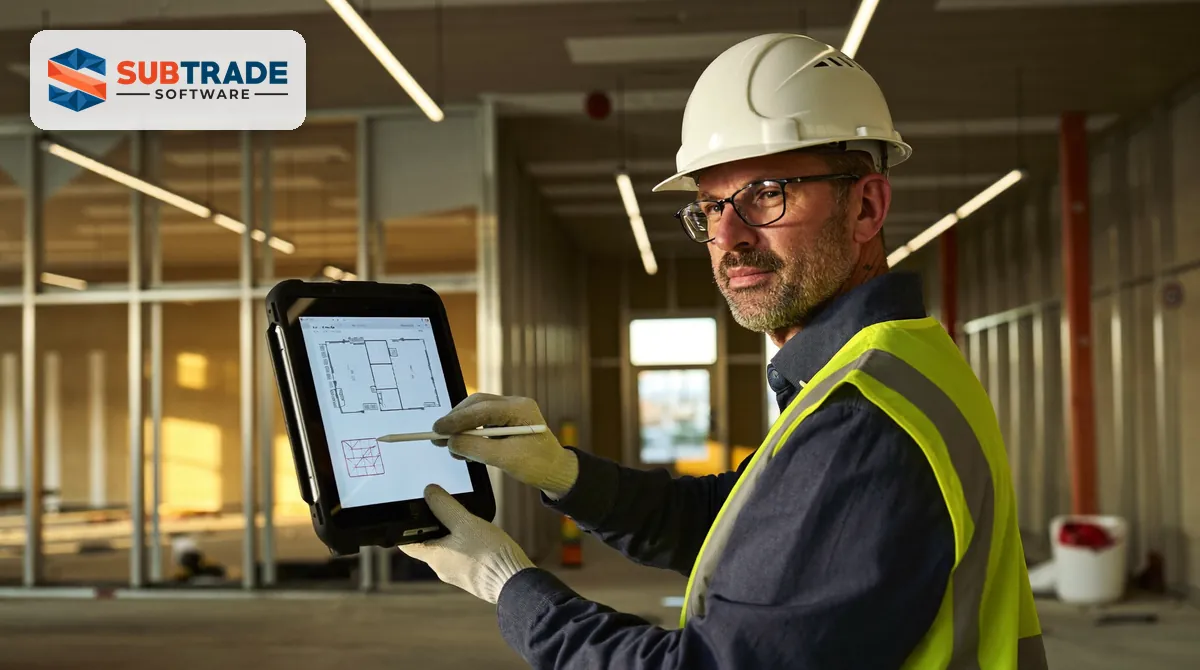 Field operations8 min read
Construction drawing markups in the field, done right
Redlines on a phone, dated and attributed, on the current set. How field markups stop being lost paper and start protecting your margin.
Read the guide → Getting paid8 min read
Construction back-charges: how subs fight them
A line item on your invoice you never agreed to. What a back-charge really is, when you actually owe it, and the paperwork that gets a bogus one reversed.
Read the guide → Estimating8 min read
Framing contractor estimating: a labour-first method
Wall by the linear foot, studs by the layout, labour by your own history. A field-tested way to price framing without eating the openings.
Read the guide →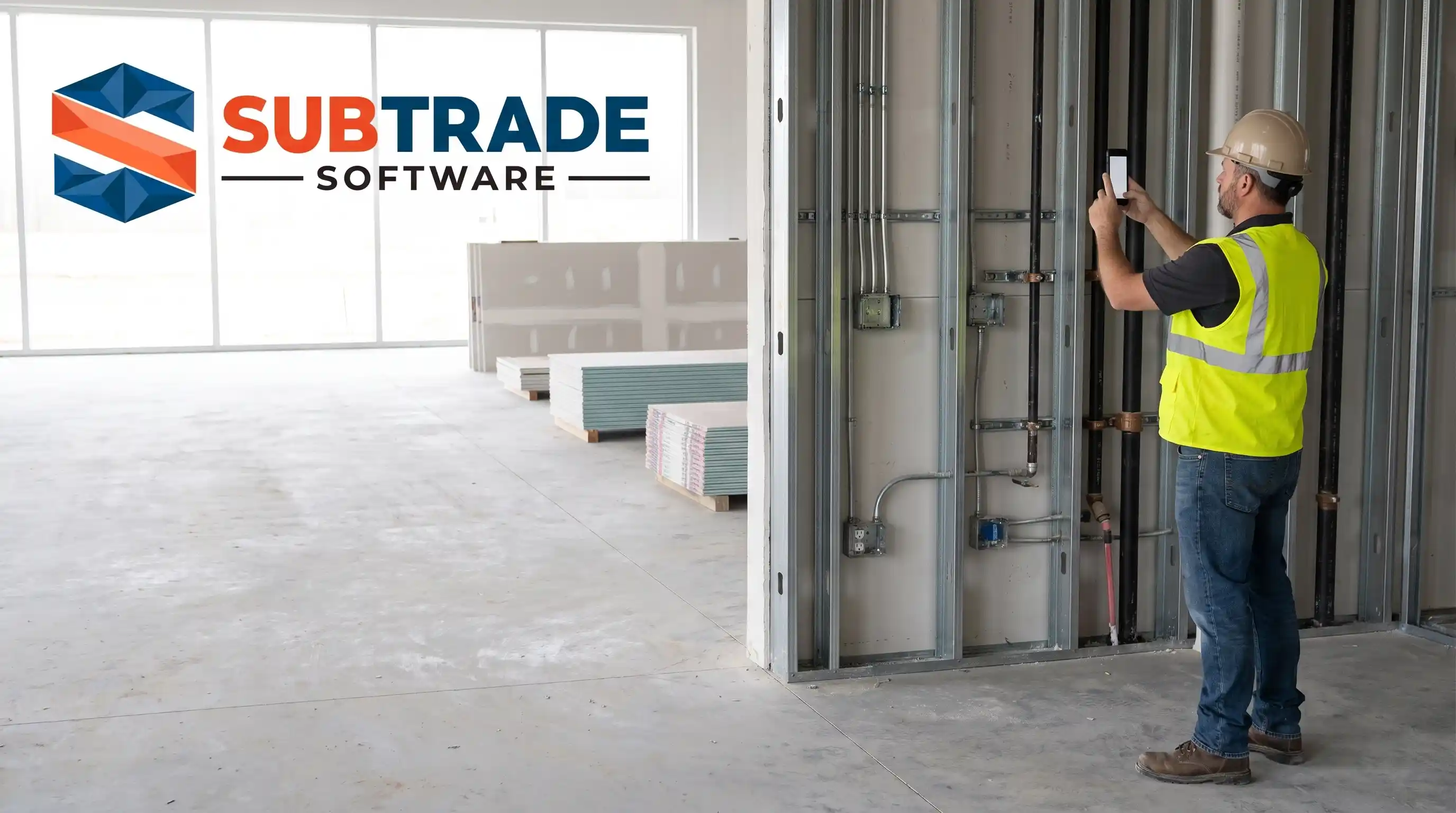 Field operations7 min read
Jobsite photo documentation for subs
A phone full of photos nobody can find is not documentation. The five shots that win disputes, and how to store them so you can produce one in ten seconds.
Read the guide → Getting paid10 min read
Material cost increase change orders
Everyone is telling you how to buy materials cheaper in 2026. Almost nobody tells you how to get paid when prices jump mid-project. This is the money side.
Read the guide → Getting paid7 min read
Schedule of values for subcontractors
The SOV is how you turn a lump-sum contract into monthly cash. Break it down right and billing is easy. Break it down wrong and every draw is a fight.
Read the guide →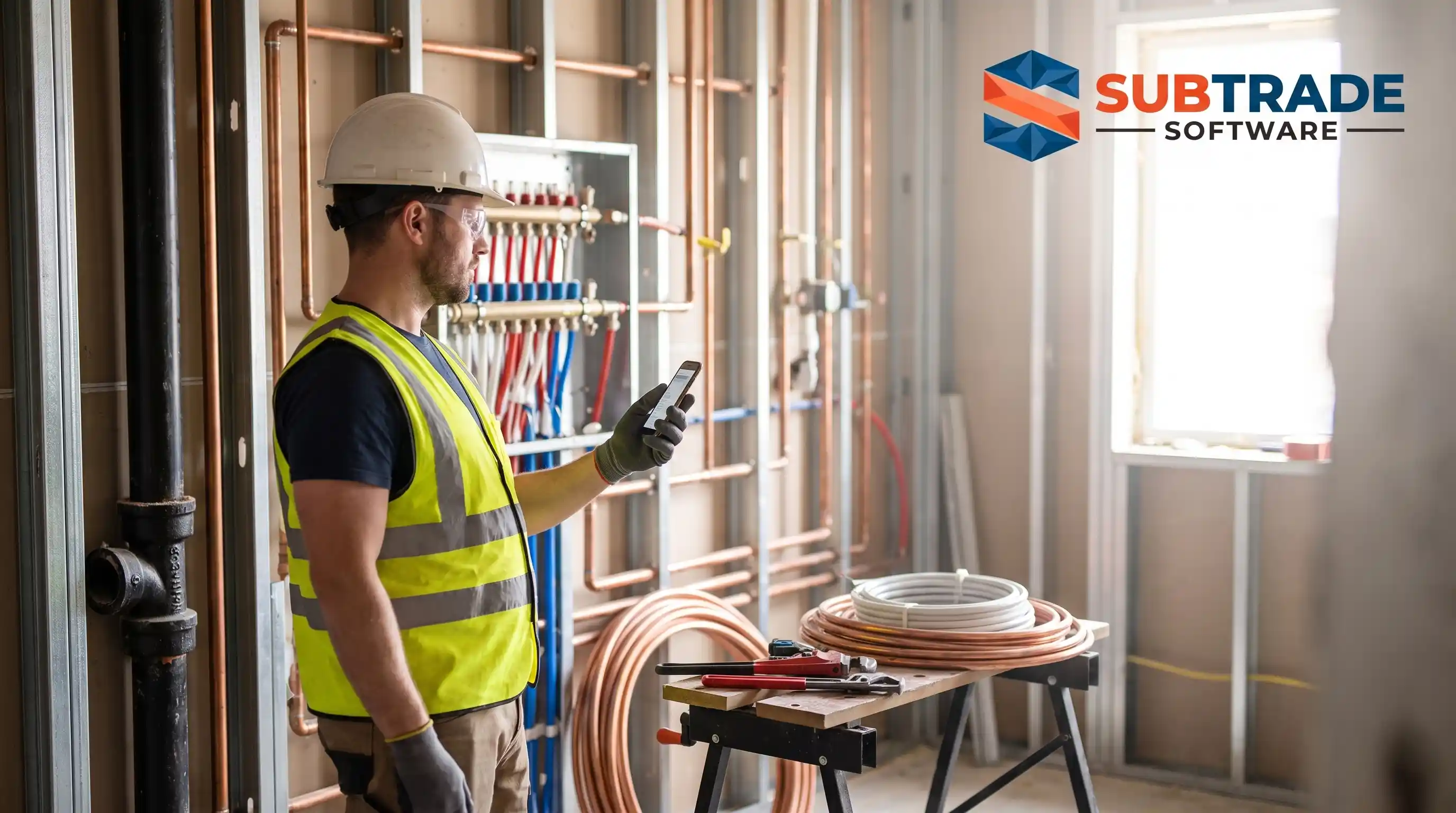 Estimating8 min read
Plumbing contractor estimating guide
Pipe by the foot, fixtures by the count, and labour that eats your margin if you can't see it. How a plumbing sub estimates and then protects that estimate.
Read the guide → Getting paid12 min read
Retainage laws by state: a 2026 guide for subcontractors
Everyone says retainage varies by state. Almost nobody shows you the actual limits. Here is the 2026 reference, plus a free calculator that answers your exact state.
Read the guide → Field operations7 min read
Construction daily log best practices
The cheapest insurance a sub owns is a daily log nobody skipped. What to capture, why it matters, and how to make the field actually do it.
Read the guide → Getting paid10 min read
Canada's 2026 prompt payment changes: Ontario, BC and Alberta
The payment rules changed in three provinces at once, and most subs have not noticed. Here is what is new in Ontario, BC and Alberta, in plain language.
Read the guide → Estimating7 min read
HVAC contractor estimating: a faster method
Duct by the pound, equipment by the unit, labour by your own history. A field-tested way to price HVAC work without the guesswork.
Read the guide → Getting paid7 min read
Construction adjudication in Canada
The prompt-payment era gave subs a real enforcement tool. What adjudication is, what it can decide, and how you actually start one.
Read the guide → Getting paid8 min read
Construction holdback by province explained
Ten percent almost everywhere, 7.5% in one place, and release periods that range from 40 to 60 days. The province-by-province rundown for subs.
Read the guide → Getting paid7 min read
7 reasons your holdback is released late
Ten percent of every invoice, tied up and released late. The seven reasons holdback stalls, each with the fix that gets your money moving.
Read the guide → Getting paid8 min read
Unsigned change order recovery
The work is done, the money is real, and nobody signed. A practical way to chase unsigned extras and close the gap for good.
Read the guide → Getting paid7 min read
Retainage vs. holdback: the difference
Same money withheld, two different rulebooks. What separates US retainage from Canadian holdback, and why it matters if you work both sides of the border.
Read the guide → Choosing software7 min read
Free subcontractor management software
Free isn't zero — it's paid in rekeyed hours, lost extras, and invoices that go out late. The real math on free tools, and where a spreadsheet still wins.
Read the guide → Getting paid8 min read
Job costing for subcontractors
Not accounting after the fact. A live picture of where each job stands, built from the hours your crew is already clocking.
Read the guide →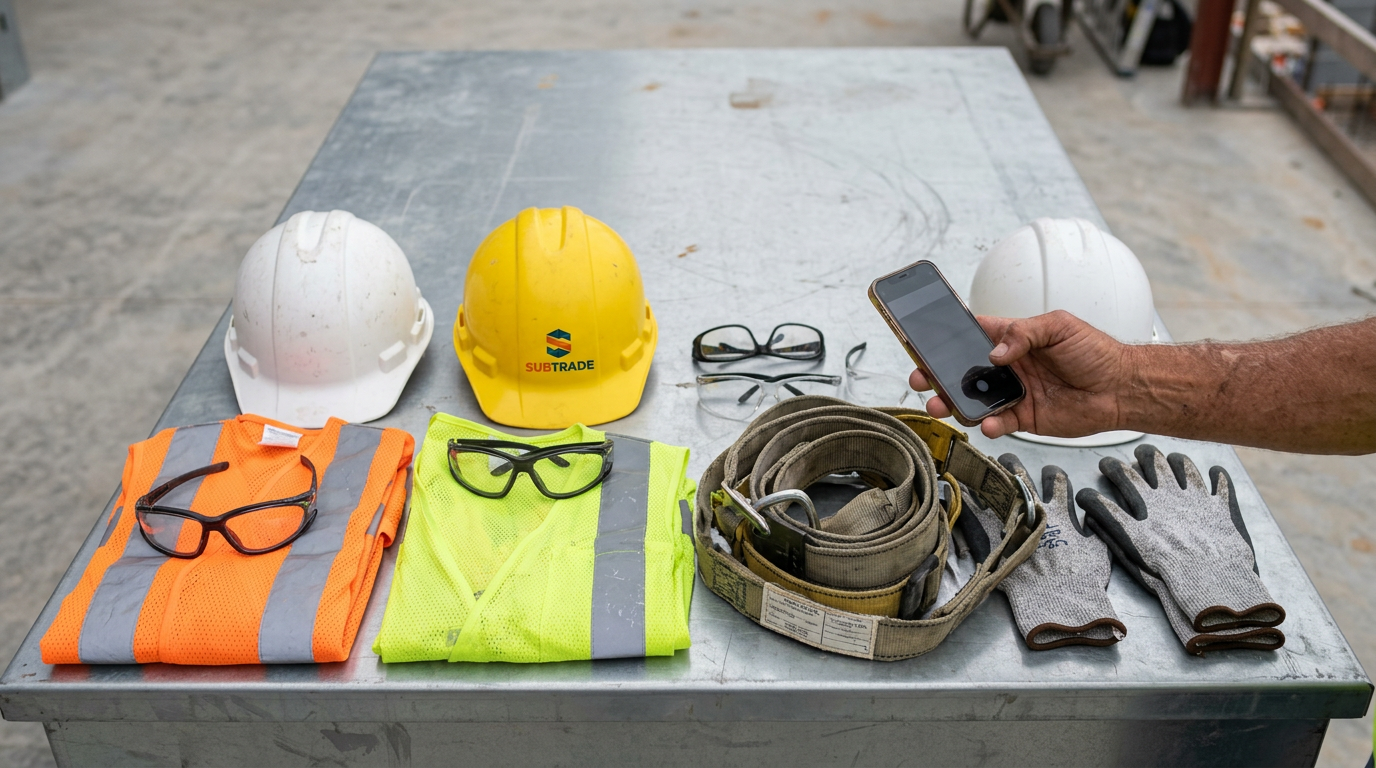 Field operations7 min read
PPE tracking by trade and subcontractor
The clipboard on the gang box is always out of date. A simple system for tracking PPE by trade, by sub, and by site — so the right gear is on the right crew.
Read the guide → Estimating7 min read
Subcontractor bidding software for subs
Invitations pile up, deadlines pass, and nobody chases the ones you sent. How subs run bidding as a pipeline — and stop losing work to a full inbox.
Read the guide → Choosing software7 min read
What sub-trades actually need from software
Seven jobs a sub's system has to do, in the order they matter. Skip the demo theatre and score any tool against what the field actually touches.
Read the guide → Estimating7 min read
Electrical estimating software for subs
Devices, homeruns and panel schedules — not square feet. Why electrical estimating needs its own method, and how the count-and-assembly loop makes every bid sharper.
Read the guide → Field operations7 min read
Construction crew scheduling for subs
Three sites, one crew, and a GC who moved the date. How sub trades actually schedule field labour — and where the hours quietly disappear.
Read the guide → Getting started7 min read
Subcontractor prequalification software
The bid you never got invited to is the one you lost at prequal. What GCs check before they let you quote — and how to answer in an hour, not a week.
Read the guide → Choosing software7 min read
Subcontractor dashboards: what to track
Twenty active jobs, two people in the office. The four numbers a sub's dashboard has to surface before Thursday — and the ones that are just decoration.
Read the guide → Getting started7 min read
What is a sub trade? A plain answer
Sub trade, subtrade, subcontractor — three spellings, one job. What the term actually means on a Canadian jobsite, and who does what.
Read the guide → Estimating8 min read
Drywall estimating software: price jobs faster
Takeoff you don't redo, assemblies you build once, and production rates from your own completed jobs. The loop that makes every bid sharper than the last.
Read the guide → Choosing software8 min read
Subcontractor vs. general contractor software
Same demos, same buzzwords, different job. Why GC platforms keep failing subs, and the five things a sub's system has to do well.
Read the guide → Getting paid7 min read
Progress billing and holdback in Canada
Draws, holdback and the GST timing trap — the three things that decide whether your billing gets you paid or gets you an email back.
Read the guide →Buying guide5 min readHow to choose subcontractor management software
The features that matter, the traps to avoid, and the one-week evaluation that beats every demo.
Read the guide →