
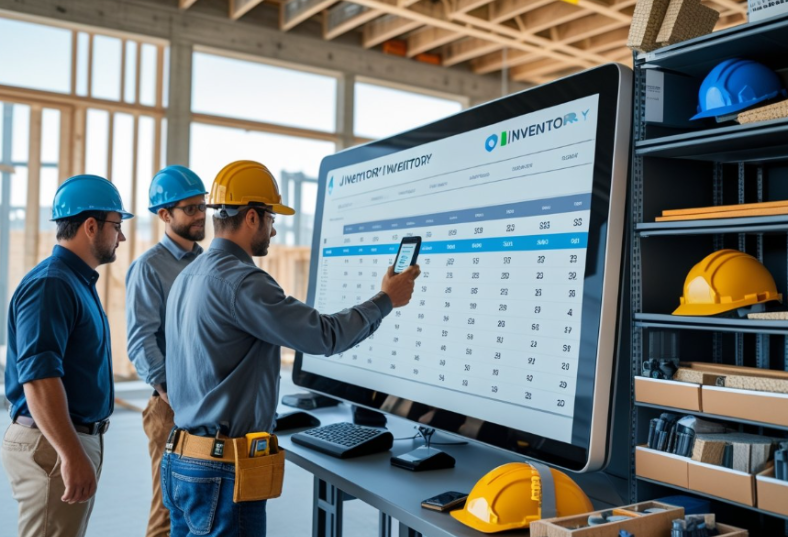
Cut material waste in construction projects with SubTrade inventory tools that offer a practical solution by providing real-time tracking and management of materials, ensuring accurate ordering and minimal surplus. By integrating these tools, projects can avoid overstocking and unnecessary waste, leading to measurable savings and smoother workflows.
These inventory systems enable project managers to track usage precisely, forecast needs more accurately, and secure materials effectively across multiple sites. This not only prevents loss and theft but also streamlines communication between teams, which is critical for efficient material handling and reducing delays.
Implementing SubTrade inventory tools empowers contractors to optimize resource use without increasing labor demands, delivering a higher return on investment. Projects benefit from reduced waste, tighter controls, and clearer visibility into material consumption, making these tools a valuable asset in modern construction management.
Key Takeaways
- Real-time inventory tracking helps reduce material waste and costs.
- Accurate forecasting and secure management prevent loss and over-ordering.
- Efficient use of inventory tools enhances resource optimization and ROI.
Understanding SubTrade Inventory Tools
SubTrade inventory tools are designed to precisely track materials, tools, and equipment used by subcontractors on projects. These systems offer detailed monitoring, seamless data sharing, and better control compared to traditional methods.
Key aspects include specific technological capabilities, how these tools connect with other project software, and how they outperform manual tracking techniques.
Key Features of Inventory Management Solutions
SubTrade inventory tools typically include barcode scanning, RFID tagging, and real-time data updates. These features allow accurate tracking of material use and tool location instantly.
They provide alerts for low stock levels and enable automated reorder processes. This reduces delays caused by missing or depleted inventory.
User access controls ensure only authorized personnel can update or view inventory data. This enhances accountability and limits errors or theft.
Reporting dashboards compile usage statistics, helping managers identify waste areas and optimize resource allocation throughout the project lifecycle.
Integration with Project Management Platforms
Modern SubTrade inventory systems often integrate directly with project management platforms. This connection allows automatic synchronization of inventory use with project schedules and avoids material waste.
Subcontractors and contractors can share updates in real-time, facilitating quicker decision-making based on current resource availability and task progress.
Integration supports digital checklists that align inventory consumption with specific phases or work areas, reducing manual data entry and errors.
This seamless data flow helps teams stay aligned on material needs, delivery timing, and project milestones, improving overall efficiency.
Comparison With Traditional Tracking Methods
Traditional tracking relies heavily on manual counts, paper logs, and isolated spreadsheets. These methods are prone to errors, delays, and loss of data.
SubTrade inventory tools eliminate redundant paperwork and provide accurate, up-to-date inventory status. This minimizes material overstock and underutilization.
Digital systems reduce labor time spent on inventory reconciliation and reporting. They also provide traceability for materials, which supports theft prevention and waste reduction.
Compared to older methods, these tools offer superior visibility into inventory flows, enabling project managers to keep projects on schedule and within budget.
Strategies To Cut Material Waste in Projects
Effective management of materials starts with visibility into inventory and precise data on usage patterns. Streamlining ordering and minimizing errors ensures that materials are available when needed without excess and there’s no material waste occurring. Preventing loss and misplacement safeguards resources and limits unnecessary replacements.
Real-Time Material Tracking
Real-time tracking uses digital tools to monitor material quantities and movement on site continuously. This visibility helps identify surplus stock, reducing the chance of over-ordering or unused leftovers. When inventory levels are clear, teams can allocate resources more efficiently and avoid waste caused by materials expiring or becoming damaged.
Wearable scanners or mobile apps linked to a central database provide instant updates for all parties involved. This immediate access allows swift decision-making about material needs and redistribution. It also helps detect theft or loss early, preventing unnoticed depletion of supplies.
Automated Order Optimization
Automated systems analyze current inventory and project schedules to generate precise material orders. These tools reduce human error in quantity calculations and timing by suggesting only the necessary amounts based on project phases. Automated reordering can prevent both shortages and overstocks, cutting excess material purchases.
Integrating ordering tools with supplier data improves delivery scheduling, ensuring materials arrive just-in-time. This reduces on-site storage needs and minimizes exposure to damage. Automated optimization supports cost savings through better supplier relationships and bulk purchasing when appropriate.
Accurate Usage Forecasting
Forecasting tools use historical data, project plans, and current conditions to predict exact material needs. Accurate predictions help managers prepare for fluctuations in demand and avoid waste from ordering excess or unnecessary materials.
These forecasts consider variables such as weather, labor schedules, and design changes. The result is better alignment between procurement and actual usage. Continuous updates refine accuracy, allowing for dynamic adjustments as projects progress and conditions change.
Error Reduction and Loss Prevention
Reducing human errors in handling materials is critical to minimizing material waste. Digital tools and standardized processes lower miscounts, misplacements, and incorrect cuts. Training combined with technology helps workers follow best practices.
Inventory audits and loss tracking identify patterns that cause material loss. Preventive measures such as secured storage and accountability systems are implemented to control access. Early detection systems alert managers to discrepancies so they can address issues promptly.
Implementing SubTrade Tools for Optimal Results
Successful implementation of SubTrade inventory tools requires focused team training, structured inventory setup, and ongoing use of data analytics. These elements work together to maintain accurate inventory, reduce waste, and improve procurement practices over time.
Onboarding and Training Teams
Comprehensive onboarding ensures all team members understand how to use the SubTrade tools effectively. Training should cover basic navigation, data entry standards, and inventory tracking procedures to standardize operations across all trades.
Hands-on sessions with real inventory scenarios help workers become comfortable with scanning, updating stock levels, and flagging discrepancies. Clear guidelines on communication workflows ensure timely updates and reduce errors from mismanaged materials.
Regular refresher courses and support channels improve adoption rates and maintain competence, especially as system updates or process changes occur. Managers must monitor usage and provide feedback to reinforce correct practices.
Best Practices for Inventory Setup
Setting up inventory begins with categorizing materials by type, manufacturer, and project phase. Clear item labeling and barcode integration facilitate quick scanning and minimize manual entry mistakes.
Quantities should reflect accurate on-site stock, with defined reorder thresholds to avoid overstocking or shortages. Location tracking within the site fosters easier retrieval and reduces redundant ordering.
Establish simplified workflows for check-in and check-out to capture real-time inventory movement. Integration with procurement systems allows automatic alerts for low stock, streamlining replenishment without delays.
Data Analytics for Continuous Improvement
SubTrade tools generate valuable data on material usage patterns, waste points, and inventory turnover rates. Analysis of this data highlights inefficiencies and identifies opportunities to optimize ordering and storage.
Teams can track waste reduction progress by comparing planned versus actual consumption. Trend analysis informs adjustments in material quantities, reducing excess and minimizing cost overruns.
Automated reporting dashboards present clear visuals for stakeholders, enabling faster decision-making. Consistent review sessions ensure that data insights translate into actionable changes on site.
Maximizing ROI Through Smart Material Management
Effective material management reduces waste, lowers costs, and improves the allocation of resources. Utilizing technology and inventory tools allows projects to optimize spending and enhance operational efficiency.
Cost Savings Analysis
Smart material management tools enable precise tracking of inventory levels, preventing over-ordering and reducing surplus stock. This minimizes waste-related costs and lowers the need for costly last-minute purchases.
By implementing real-time inventory monitoring, construction teams can identify slow-moving materials and adjust procurement schedules accordingly. This reduces storage expenses and spoilage risks.
Cost savings also arise from minimizing project delays caused by material shortages. Automated alerts help ensure timely restocking, avoiding downtime and labor inefficiencies. Overall, these savings contribute directly to a higher return on investment.
Resource Allocation Efficiency
Inventory tools provide comprehensive data on material usage patterns that help managers allocate resources more effectively. They identify inefficiencies such as excess consumption or improper material handling.
Real-time visibility into stock levels allows supervisors to redistribute materials across different sites, optimizing availability and reducing waste. This improves project timelines and resource utilization.
Integrating AI and IoT-driven monitoring further allows teams to forecast demand accurately and streamline procurement. Efficient allocation lowers operational costs by minimizing both surplus and shortages.
Case Studies of Successful Implementation
One commercial project reduced material waste by 35% after adopting AI-powered inventory tracking, resulting in significant cost savings and improved schedule adherence.
A residential developer integrated blockchain-based material passports to verify sustainable sourcing and maintain transparent supply chain records. This enhanced client trust and regulatory compliance.
Another large-scale infrastructure project employed real-time IoT monitoring to optimize stock levels, lowering storage costs and waste by 40%. The project team reported improved coordination and faster decision-making.
Frequently Asked Questions
Effective material management relies on precise ordering, proper tracking of surplus materials, and ongoing training. Leveraging technology and data forecasting strengthens control over inventory and reduces unnecessary waste.
How can subtrade inventory tools optimize material ordering processes?
Subtrade inventory tools consolidate material data, providing accurate insights into current stock levels. This prevents overordering by aligning procurement with actual consumption.
They also enable automated alerts when supplies run low, allowing timely reordering without excess purchasing.
What strategies are effective in tracking offcuts for reuse in construction projects?
Categorizing offcuts by material type and size on site simplifies reuse opportunities. Digital logs paired with physical sorting stations help to maintain accurate records.
Implementing clear labeling and storage protocols ensures offcuts remain accessible and identifiable for future tasks.
Can integrated inventory management systems reduce material waste on site?
Yes, integrated systems provide real-time updates that improve visibility across subcontractors and suppliers. This coordination minimizes duplication and loss.
These platforms support just-in-time delivery schedules, reducing onsite stockpiles and associated waste.
What are the best practices for training subcontractors in inventory management to minimize waste?
Regular, focused training sessions on inventory software and waste reduction techniques are essential. Hands-on demonstrations enhance understanding and compliance.
Providing clear guidelines and performance feedback fosters accountability and encourages consistent best practices.
How does real-time inventory tracking contribute to waste reduction in building projects?
Real-time tracking identifies discrepancies in material usage immediately, allowing quick corrective actions. It improves resource allocation and reduces idle stock.
This visibility decreases the likelihood of misplaced or forgotten materials that eventually become waste.
What role does forecasting play in lowering the risk of excess material waste?
Forecasting applies historical data and project timelines to predict material needs accurately. This reduces the risk of surplus caused by overestimating demand.
It also helps schedule deliveries aligned with project phases, cutting storage time and associated degradation or loss.