
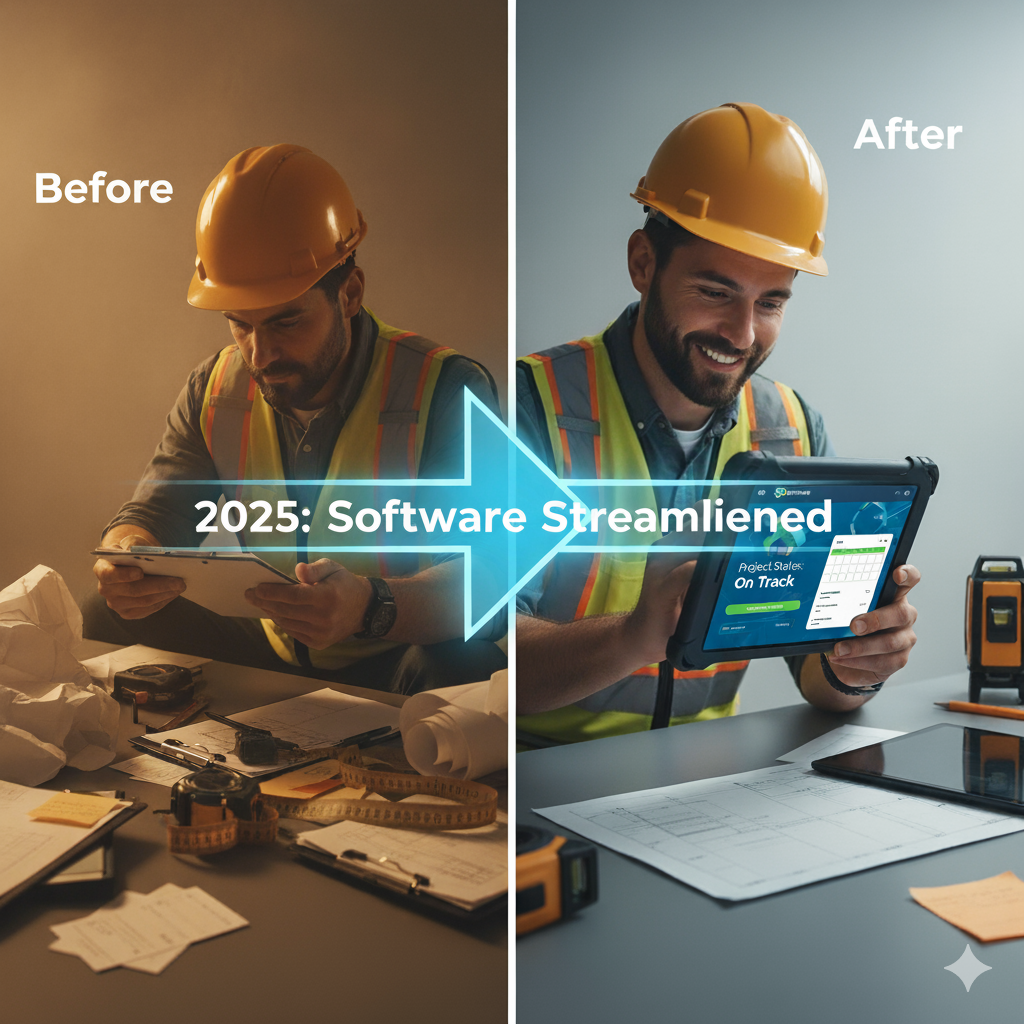
Subcontractors face increasing pressure to manage projects efficiently, control costs, and maintain clear communication with clients and teams. Choosing the right software can make a significant difference in how well these tasks are accomplished. The best software for subcontractors in 2025 offers tools that streamline project management, enhance bidding processes, and improve field collaboration.
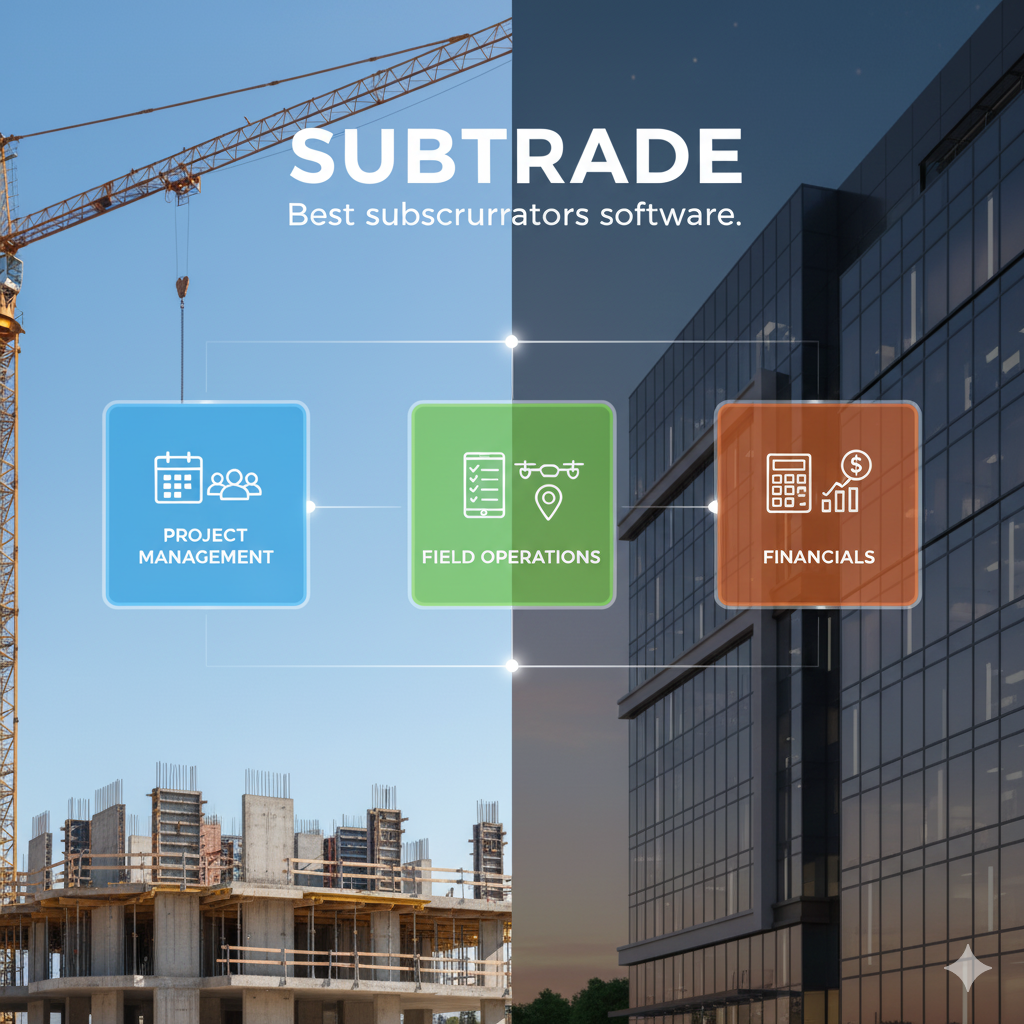
Among the top options, Subtrade Software stands out for its comprehensive features tailored specifically to subcontractors’ needs. It combines scheduling, contract management, real-time progress tracking, and mobile access, helping users stay on top of projects from anywhere. Many leading subcontractors choose it for its ease of use and robust capabilities that address daily challenges in construction management.
With a variety of products available, this article compares the leading subcontractor software solutions available in 2025, highlighting features, pricing, and user experiences. Understanding these differences helps subcontractors select the software that best fits their business demands and project complexities.
Key Features to Look For in Subcontractor Software
Effective subcontractor software must address core needs such as managing projects efficiently, handling documents securely, integrating with financial systems, and keeping accurate schedules and time records. The right combination of these features helps streamline workflows, reduce errors, and maintain clear communication across teams and stakeholders.
Project Management Capabilities
The foundation of subcontractor software lies in robust project management functions. This includes task assignment, progress tracking, and real-time updates to ensure everyone stays aligned.
Key functionalities include:
- Job status tracking with visual dashboards to monitor phases and milestones quickly.
- Collaboration tools that connect field teams and office staff, minimizing miscommunication.
- Change order management to handle adjustments without disrupting schedules.
- Mobile accessibility to allow updates and notifications directly from job sites.
SubTradeSoftware.com offers comprehensive project management tailored to subcontractors, helping businesses maintain control over timelines and resources while avoiding costly delays.
Document Control and Sharing
Subcontractors deal with numerous contracts, plans, permits, and compliance documents. Software should simplify storing, organizing, and sharing these files.
Important document features include:
- Centralized storage with version control to avoid outdated paperwork.
- Secure access permissions so only authorized users can view or edit.
- Easy sharing between contractors, clients, and suppliers via mobile or cloud platforms.
- Automated notifications when documents require attention or approval.
This reduces paperwork errors and keeps all parties informed, saving time during audits or inspections.
Integration With Accounting Tools
Accurate financial management is critical for subcontractors. Software that integrates with accounting systems prevents double entry and ensures quick invoicing and payment tracking.
Necessary accounting features:
- Expense tracking tied to specific projects or subcontractors.
- Invoice generation based on work milestones or hours logged.
- Payment status monitoring to manage receivables and cash flow.
- Compatibility with popular accounting platforms like QuickBooks or Xero.
SubTradeSoftware.com supports seamless accounting integration, helping subcontractors maintain error-free financial records and improve profitability.
Scheduling and Time Tracking
Managing worker schedules and tracking time spent on each job is essential to control labor costs and meet deadlines.
Key scheduling and tracking elements include:
- Shift scheduling with drag-and-drop interfaces for quick adjustments.
- Time clock features allowing field workers to check in/out via mobile devices.
- Real-time labor reporting to observe productivity and attendance.
- Alerts for overtime or missed shifts to avoid compliance issues.
Precise scheduling and timekeeping help prevent under- or over-staffing and ensure payroll accuracy across projects.
Other Top Software Solutions for Subcontractors in 2025
Subcontractors today rely on software that combines project management, communication, and financial tools. Leading platforms focus on ease of use, real-time updates, and integration with other construction management systems. Efficiency gains come from features like automated workflows, mobile access, and detailed reporting.
- Subtrade Overview
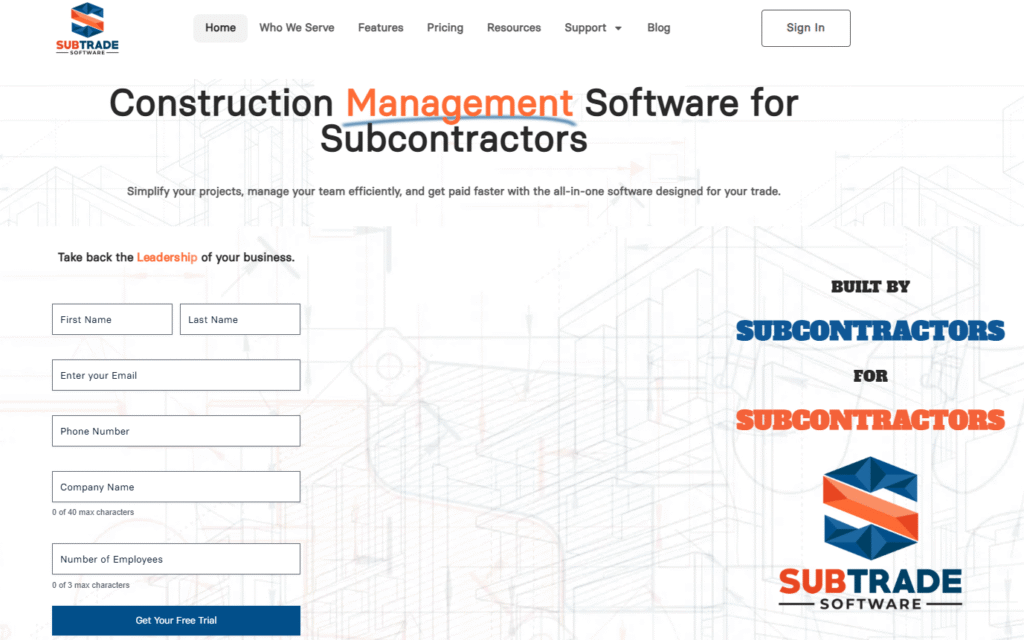
Subtrade is designed to streamline project management and client communication specifically for subcontractors and home builders. It features scheduling, budgeting, and document management that sync across teams in real time. Users benefit from mobile capabilities enabling field updates that reduce delays.
Key features include:
- Integrated schedules and change orders
- Financial management with invoicing and cost tracking
- Customer portal for client communication
Its strong focus on collaboration helps subcontractors maintain transparency with general contractors and clients. Subtrade also supports integration with accounting software like QuickBooks, making financial tracking straightforward.
- Procore Capabilities
Procore offers a comprehensive platform well suited for subcontractors managing complex projects. It excels at document control, project tracking, and centralized communication across teams and stakeholders.
Important features:
- Real-time project dashboards and reporting
- Contract and submittal management
- Robust mobile app for on-site updates
Procore integrates with numerous third-party software solutions, which increases flexibility. It supports automated workflows and compliance tracking, helping subcontractors reduce errors and avoid rework. Procore is especially valued in larger projects requiring tight coordination.
- CoConstruct Strengths
CoConstruct is built with custom home builders and subcontractors in mind. It specializes in handling client selections, budgets, and schedules while providing seamless communication tools.
Strengths include:
- Client selection and change order tracking
- Cost estimating tied to supplier and labor data
- Mobile-friendly field management
The software facilitates easy collaboration between subcontractors and clients through transparent updates. CoConstruct also helps streamline contract management and integrates well with accounting systems to improve invoicing accuracy.
- PlanGrid for Collaboration
PlanGrid focuses on improving on-site collaboration through digital blueprints and real-time markups. It enables subcontractors to access and update drawings, specs, and tasks instantly via a mobile or desktop app.
Core capabilities:
- Version-controlled document management
- Instant markups and issue tracking
- Offline access with seamless syncing once online
This software reduces the risk of costly errors caused by outdated plans. PlanGrid’s ease of use on mobile devices makes it ideal for subcontractors needing reliable field documentation. It integrates well into broader project management platforms, enhancing overall workflow.
Comparing Pricing and Value
Understanding the pricing structures and value propositions of subcontractor software helps businesses select tools that fit budgets and operational needs. Key factors include payment options, available support, and the ability to grow with the business.
Subscription Models
Most subcontractor software uses subscription-based pricing, typically charged monthly or annually. The pricing tiers generally reflect feature access, user limits, and support levels. For example, Subtrade Software offers transparent tiered plans starting with a basic option suitable for small teams and advancing to enterprise levels that include advanced integrations.
Some tools charge per user, which can increase costs for larger teams. Others offer flat rates regardless of the number of users, providing predictable expenses. When assessing options, it is crucial to compare what features are included at each price point, such as project management tools, bidding modules, or real-time tracking.
Included Support and Training
Quality customer support and training resources are vital for smooth software adoption. Subtrade Software provides extensive onboarding materials, live support, and a knowledge base, included even in lower-priced plans. This reduces downtime and helps teams become productive quickly.
Other providers may restrict support access to higher-tier packages or charge extra for personalized training sessions. It is important to check if phone support, chat, or email assistance is available and at what hours. Training options like webinars and tutorials add value, especially for companies new to subcontractor management software.
Scalability for Growing Businesses
Scalability determines how well software adapts as a business expands. Good subcontractor software, including Subtrade, offers flexible plans and modular features that can be added over time without switching platforms.
This flexibility ensures companies won’t outgrow their software quickly or face costly upgrades. A system that supports multiple users, integrates with accounting and project management tools, and handles increasing project volumes will provide long-term value. Scalability also includes mobile access and cloud-based deployment for teams working on-site or remotely.
User Experience and Support Options
Subcontractor software in 2025 focuses heavily on intuitive design, comprehensive support, and seamless mobile use. These factors greatly impact daily operations, team collaboration, and problem resolution speed.
Ease of Onboarding
Efficient onboarding is essential for subcontractors who need fast adoption without disrupting project timelines. The best tools, like Subtrade Software, provide guided tutorials, step-by-step setup wizards, and pre-built templates tailored for subcontractor workflows.
A clear, minimal learning curve helps crews and administrators start managing contracts, schedules, and reporting immediately. Customizable dashboards and real-time help pop-ups enhance user confidence during initial use. Automated data imports and integration options reduce manual entry, further speeding onboarding.
This reduces frustration, accelerates team adoption, and shortens time-to-productivity, which is critical given tight project deadlines and varied user tech skills.
Customer Service Quality
Responsive and knowledgeable customer service is vital for subcontractors who operate under pressure. Leading software providers offer multiple support channels such as live chat, phone support, and email ticketing.
Subtrade Software stands out with its 24/7 availability, extensive knowledge base, and proactive account management, ensuring issues are addressed quickly. Fast response times and clear communication prevent costly project delays caused by software-related problems.
Furthermore, some vendors provide dedicated onboarding specialists and training webinars to support ongoing user education and address evolving needs.
Mobile Accessibility
Mobile accessibility allows subcontractors to manage tasks directly from job sites, increasing efficiency and real-time communication. Top solutions provide native iOS and Android apps with offline capabilities for areas with poor connectivity.
Users can update job statuses, submit timesheets, and view schedules on the go. Subtrade Software offers smooth mobile performance with user-friendly interfaces optimized for smaller screens, ensuring field technicians and project leads can stay aligned without returning to the office.
Push notifications and instant syncing keep all team members updated, reducing idle time and improving coordination between office staff and field teams.
Emerging Trends in Subcontractor Software
Subcontractor software in 2025 is evolving to address efficiency, communication, and security challenges. Innovations focus on automating tasks, improving remote teamwork, and protecting sensitive project data. These developments help subcontractors manage complex projects with greater accuracy and reduced risk.
AI-Powered Workflows
AI integration automates routine tasks such as scheduling, invoicing, and resource allocation. This reduces human error and frees up time for subcontractors to focus on project execution. AI tools also analyze project data to predict delays and suggest adjustments proactively.
Subtradesoftware.com exemplifies this trend with its AI-driven features, streamlining bidding processes and subcontractor coordination. Its AI capabilities support decision-making by providing real-time insights, improving overall project management efficiency.
Cloud-Based Collaboration Advantages
Cloud platforms enable seamless communication among contractors, subcontractors, and clients regardless of location. They provide centralized access to documents, schedules, and progress reports, enhancing transparency and reducing misunderstandings.
Top software in 2025, including Subtradesoftware.com, offers mobile-friendly cloud access. This supports field workers with on-the-go updates and rapid issue resolution. Multi-user access with permission controls ensures information security while maintaining collaboration.
Data Security Improvements
With increasing cloud adoption, subcontractor software must prioritize data protection. Enhanced encryption, multi-factor authentication, and audit trails are standard features in leading 2025 tools.
Subtradesoftware.com incorporates advanced security protocols to safeguard contract details and financial information. Compliance with industry regulations and continuous security updates ensure protection against emerging cyber threats. This focus on security builds trust between subcontractors and their clients.
Frequently Asked Questions
Choosing the right subcontractor software involves considering project management capabilities, system integration, mobile features, security, workflow management, and cost. These factors heavily influence efficiency and ease of use in the field and office.
What are the top-rated project management tools for subcontractors in 2025?
SubTradeSoftware stands out as a top-rated tool known for its comprehensive subcontractor management features. Other well-reviewed options include Procore, Knowify, and Buildbrite, which offer strong scheduling, bidding, and progress tracking functionalities. These platforms help streamline workflow and reduce project delays.
How does integration capability between subcontractor software and existing systems compare?
Leading subcontractor software like SubTradeSoftware and Procore offer extensive integration options with popular accounting, ERP, and project management systems. This facilitates seamless data exchange and workflow automation. Some tools provide API capabilities, while others focus on predefined connectors, impacting flexibility and implementation complexity.
Which subcontractor software offers the best mobile experience for field operations?
SubTradeSoftware and Procore provide highly rated mobile apps designed for real-time updates, scheduling, and communication in the field. Their mobile platforms support offline functionality, which is essential for construction sites with limited connectivity. Knowify also offers mobile access but may lag in some advanced field features.
What are the latest advancements in subcontractor software security features?
In 2025, subcontractor software increasingly incorporates multi-factor authentication, data encryption, and user role-based access controls. SubTradeSoftware has adopted robust cloud security measures, including regular audits and compliance with industry standards. These advancements help protect sensitive contract and financial information.
Can Procore effectively manage subcontractor workflows and how does it compare to its competitors?
Procore is well-suited for managing subcontractor workflows with features like contract management, RFIs, and daily logs. It competes closely with SubTradeSoftware, which often leads in ease of use and specific subcontractor-focused tools. Procore excels in large-scale projects, while alternatives may be more cost-effective for smaller operations.
Are there cost-effective alternatives to Knowify for small to mid-sized subcontracting businesses?
Yes, SubTradeSoftware offers a competitive pricing model attractive to small and mid-sized subcontractors. It delivers many advanced features found in Knowify at a lower cost. Other budget-friendly options include Buildbrite and select plans from Procore, depending on the specific feature needs and scale of the business.